
Hillsborough, Chapel Hill
Garage Door Maintenance for Hillsborough's 1990s-Era Doors
Hillsborough homes average a 1997 build year, not Chapel Hill's mix. See what that means for spring wear, opener age, and when a tune-up beats a full swap.
Where This Job Goes Sideways
Hillsborough's median household income runs $98,467, well above the wider service area's $79,512, and that number matters more than people expect when a garage door starts acting up.
Past-fixing door requests
Higher income households tend to call sooner, before a bad bearing turns into a cracked panel, which is good - but it also means more owners asking us to fix doors that are honestly past the point of fixing well. The median year built here is 1997, about a decade past the mid-1990s stock that makes up a lot of the wider ten-town area covered under F1 and F2.
Spring outlived rated cycles
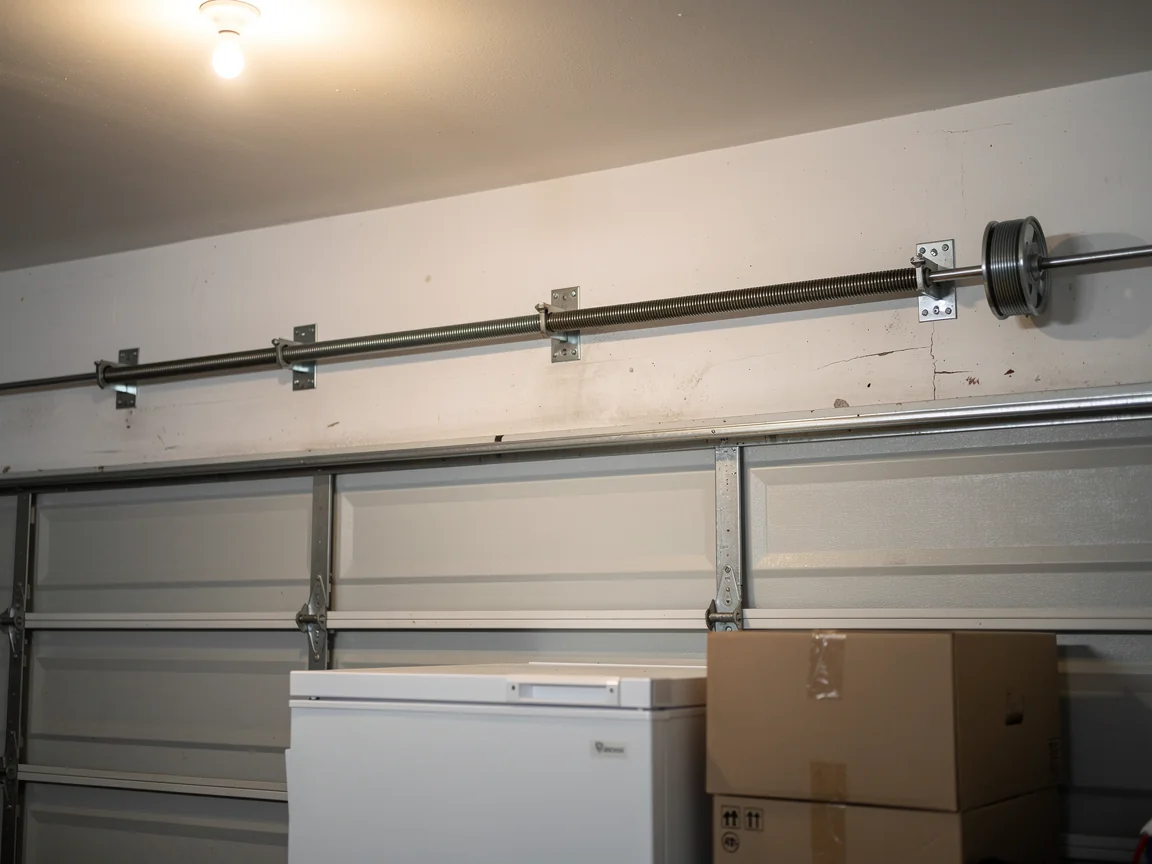
A door and opener installed when the house went up are now pushing 25 to 30 years old. Torsion springs are rated in cycles, not years, and a spring installed in 1997 has usually outlived its rated life by the time it starts making noise.
Pre-rolling-code opener age
Openers from that era also predate rolling-code security and modern auto-reverse sensors, which is a separate problem from the spring but shows up in the same service call. The cold-moderate climate band this region sits in adds freeze-thaw stress to steel track and hardware every winter, which speeds up wear on parts already near the end of their life.
How We Fix It
We run the 11-mile drive out from Chapel Hill for scheduled maintenance visits, not emergency dispatch - this isn't a branch location, it's a route we run.
Maintenance checklist items
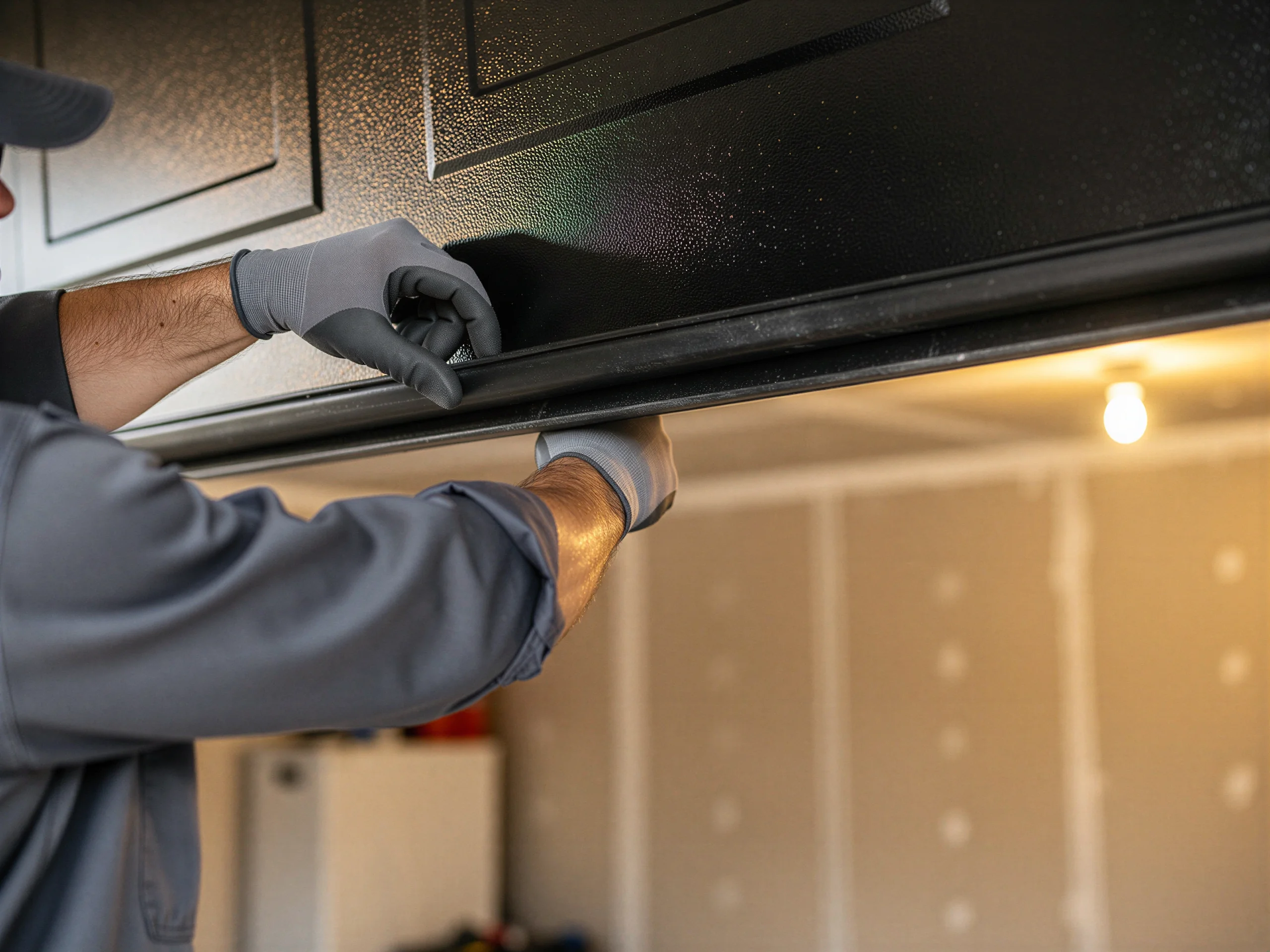
A maintenance call covers the things that actually fail on a 1990s-build door: we check torsion spring balance against the door's weight, inspect cable fray at the drum, test the opener's force settings and auto-reverse, and lubricate rollers, hinges, and track.
Freeze-thaw track shifts
On houses from this era we pay particular attention to the spring, since a 25-to-30-year-old spring is usually close to its cycle limit even if it still looks fine. We also check track alignment, because years of freeze-thaw movement in this climate band can rack a track out of plumb without anyone noticing until the door starts binding.
Adjust-only visit scope
None of this requires removing the door or opener - it's an inspection-and-adjust visit, not a teardown. If something's past adjusting, we say so on the spot rather than patching it and billing you again next year.
What You Pay
We don't have a flat number to quote here, and we're not going to invent one. What we can tell you is how the decision usually breaks down for a town where median income sits at $98,467: at that income level, most owners we talk to would rather pay for a full spring-and-hardware replacement once, done right, than pay for three smaller patch jobs on a door built in 1997 that's already near the end of its service life. A maintenance visit itself is the cheaper call every time - it's cheap insurance against the bigger one. Where it gets expensive is when a door's been ignored long enough that the spring, the cables, and the rollers are all failing at once; at that point you're not maintaining a door, you're rebuilding it piece by piece, and replacement often makes more sense. We'll tell you honestly which side of that line your door is on before we start any work, not after.
Stocked Parts
Because so many Hillsborough doors date to the mid-to-late 1990s build wave, the parts that fail most often here are the same parts across the block: torsion springs sized for standard single and double doors from that era, steel rollers, lift cables, and the nylon and steel roller combinations that were common on builder-grade doors of the period.
Common sizes stocked
We carry stock for those common sizes on the truck, which means a lot of spring and roller jobs get closed out in one visit instead of a return trip.
Custom parts not carried
What we don't carry on the truck is anything custom - odd-sized doors, discontinued opener control boards, or panels for doors no longer in production. On a 1997-build house that's usually not an issue, since most doors from that window used standard hardware, but it's worth knowing before you book.
The Symptom
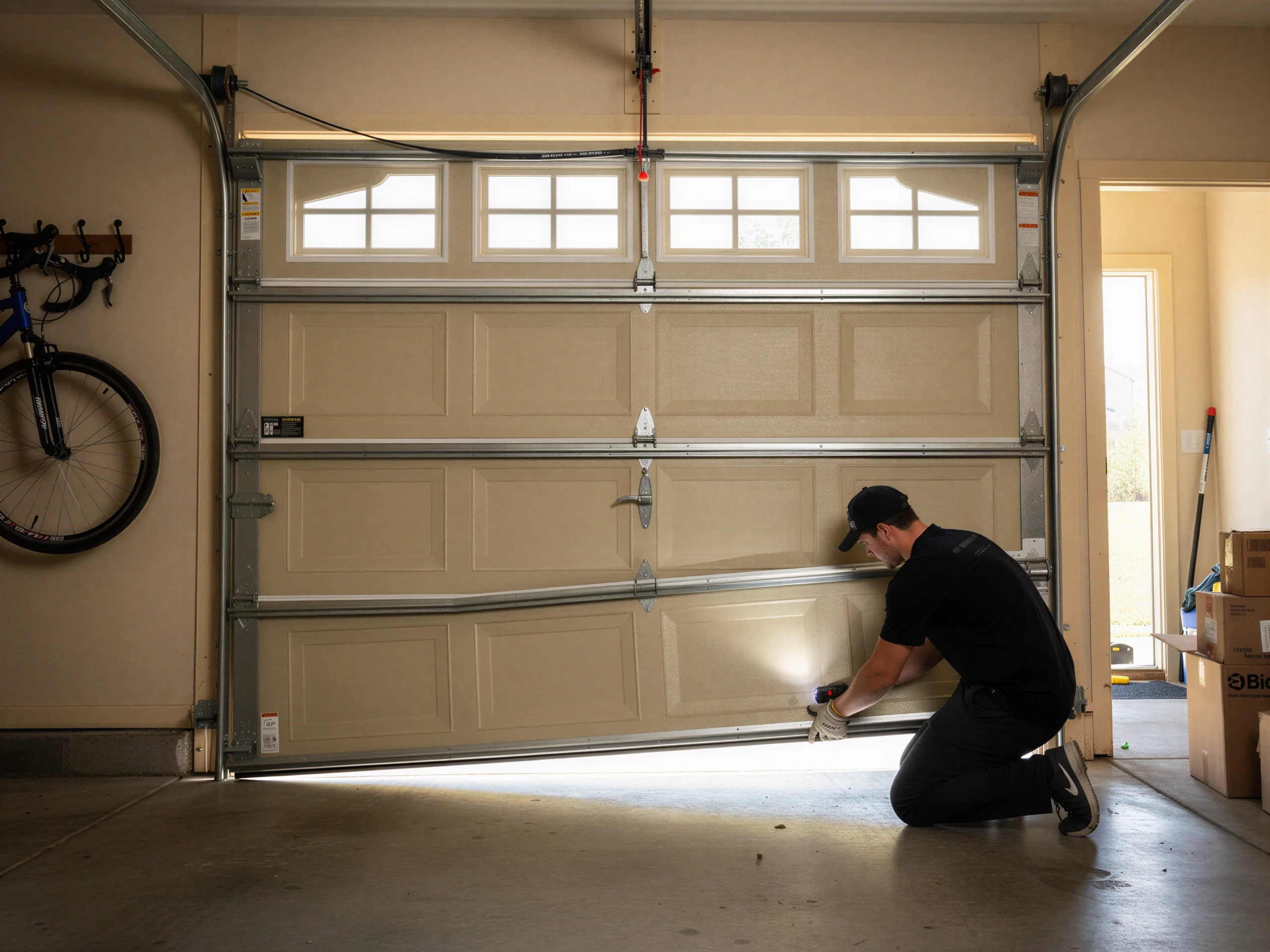
On a door built around 1997, the warning signs tend to show up in a specific order. First the door gets heavier to lift by hand - that's the spring losing tension, not the opener weakening. Then the opener starts straining on the up-cycle, sometimes reversing partway before it hits the top. Grinding or popping at the top of the track usually means a roller's worn down to the bearing, which is common once a roller's put in close to three decades of freeze-thaw cycling in this climate band. If the door drops suddenly instead of lowering smoothly, stop using it - that's a cable or spring failure risk, not a lubrication problem, and it's not safe to keep opening and closing it until it's inspected.
The DIY Question
Lubricating hinges, rollers, and track is fine to do yourself, and it's the single best thing an owner can do between visits - a shot of garage-door-specific lubricant twice a year keeps rollers from drying out faster than they should in a cold-moderate climate. Checking for loose bolts on the track brackets is also fine. What isn't a DIY job is anything involving the torsion spring: adjusting, loosening, or replacing it. Torsion springs store enough tension to cause serious injury, and on a door that's near its cycle limit - which describes a lot of 1997-era doors at this point - that risk is higher, not lower. If your door feels heavy or the opener's straining, that's a call-us symptom, not an adjust-it-yourself one.
Questions
Common questions
How often should a garage door this old get serviced?
For a door built around the mid-to-late 1990s, once a year is reasonable if nothing's acting up, twice a year if you've noticed the door getting heavier or the opener straining. At 25-plus years old, the window between a minor issue and a stuck or dropped door gets shorter, so catching it on a schedule beats waiting for a symptom.
Is it worth repairing a door built in the late 1990s, or should I replace it?
It depends on what's failing. A single worn spring or a bad roller is almost always worth repairing. If the spring, cables, and rollers are all failing close together, replacement usually costs less over time than repeated patch jobs on hardware that's at the end of its rated life anyway.
Do you have a local branch in Hillsborough?
No - we run maintenance routes out from Chapel Hill, about 11 miles away. We service Hillsborough on scheduled visits rather than from a local depot, so same-day emergency response isn't something we offer here.
Why does my opener keep reversing before the door closes?
On a door this age, that's usually the force setting drifting out of calibration as the spring loses tension, not a failing opener. We check and reset force settings against actual spring balance during a maintenance visit rather than just adjusting the opener in isolation.
Explore more
More Services in Hillsborough
Garage Door Repair
Hillsborough's housing mostly went up around 1997, newer than the service area average. Learn more →
Garage Door Service
Hillsborough sits 11 miles from our Chapel Hill shop. Learn more →
New Door Installation
Hillsborough's garage doors mostly date to the late 1990s. Learn more →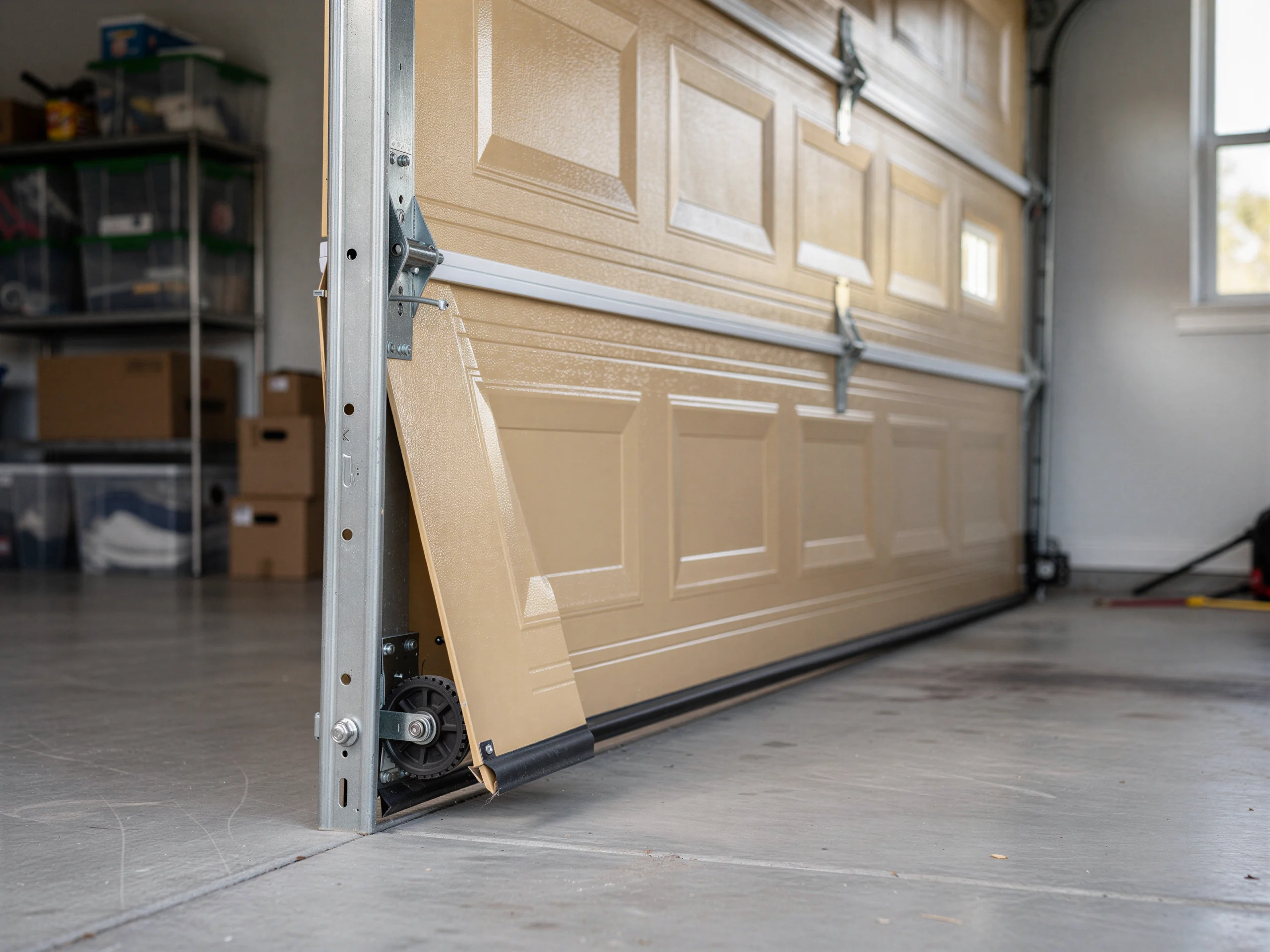
Off Track Repair
Hillsborough homes run newer than much of the Chapel Hill service area - median build year 1997. Learn more →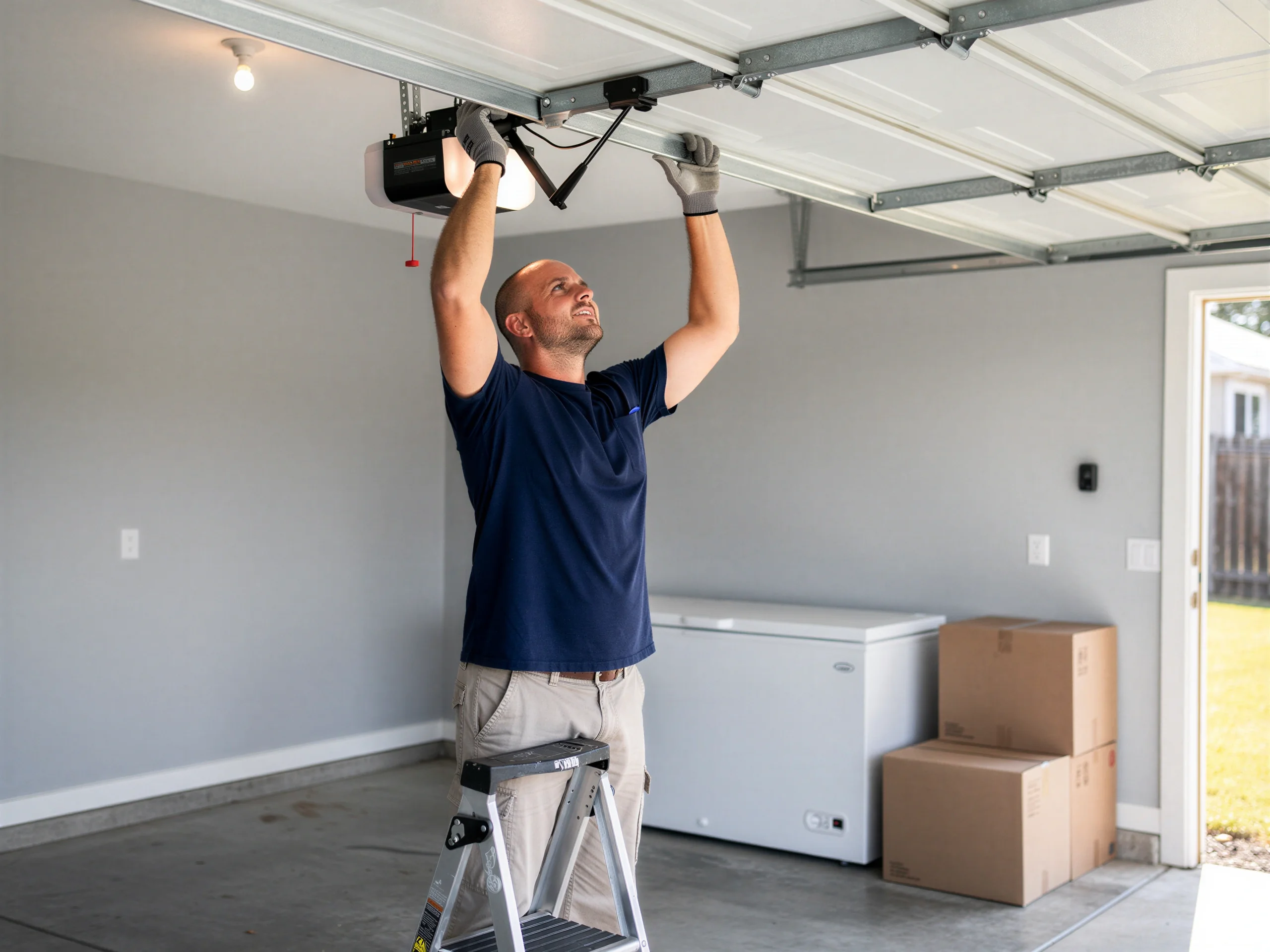
Opener Installation
Hillsborough homes mostly date to 1997, and original chain-drive openers are now past end of life. Learn more →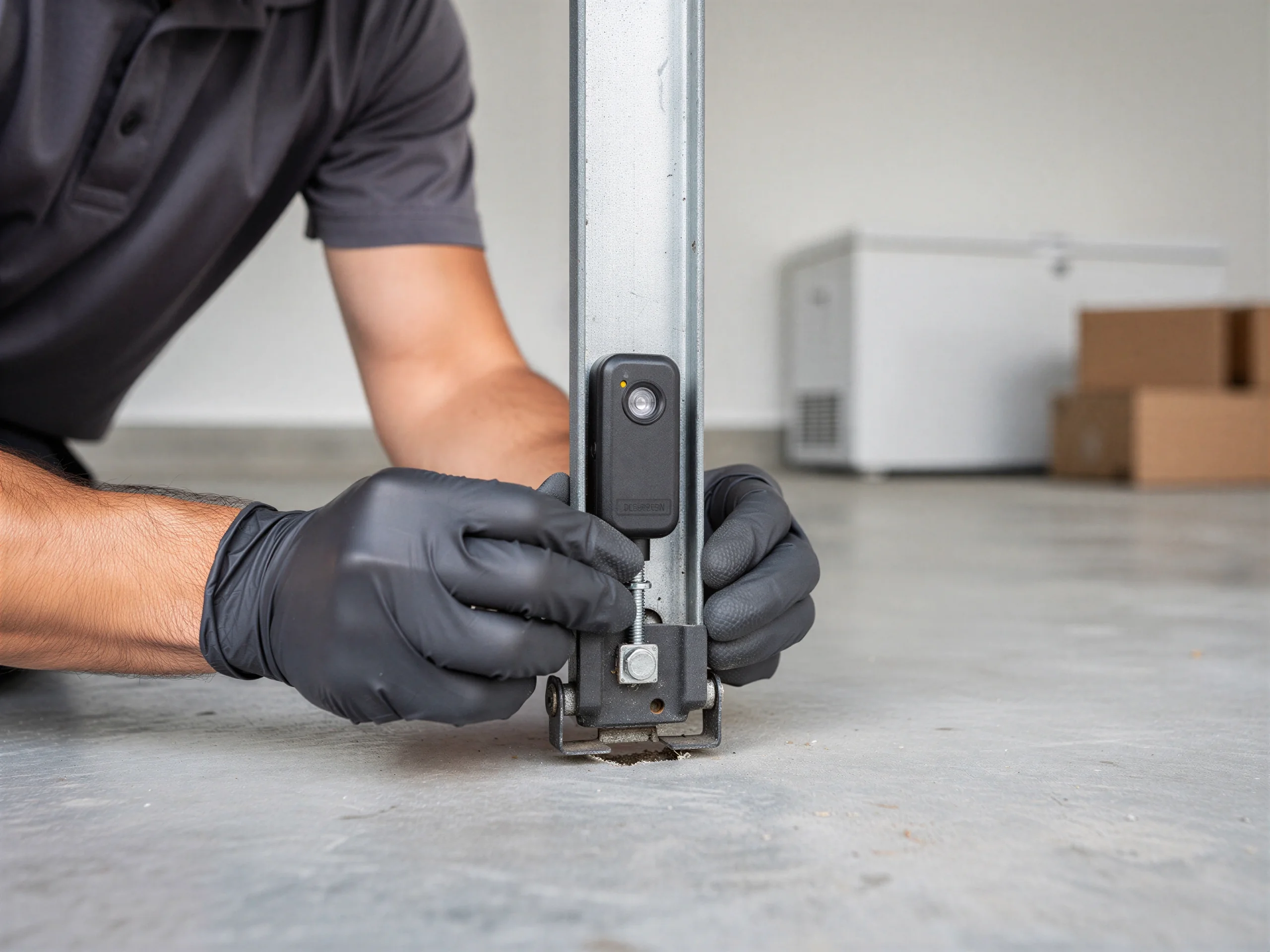
Opener Repair
Hillsborough homes built around 1997 still run original chain-drive openers with aging logic boards. Learn more →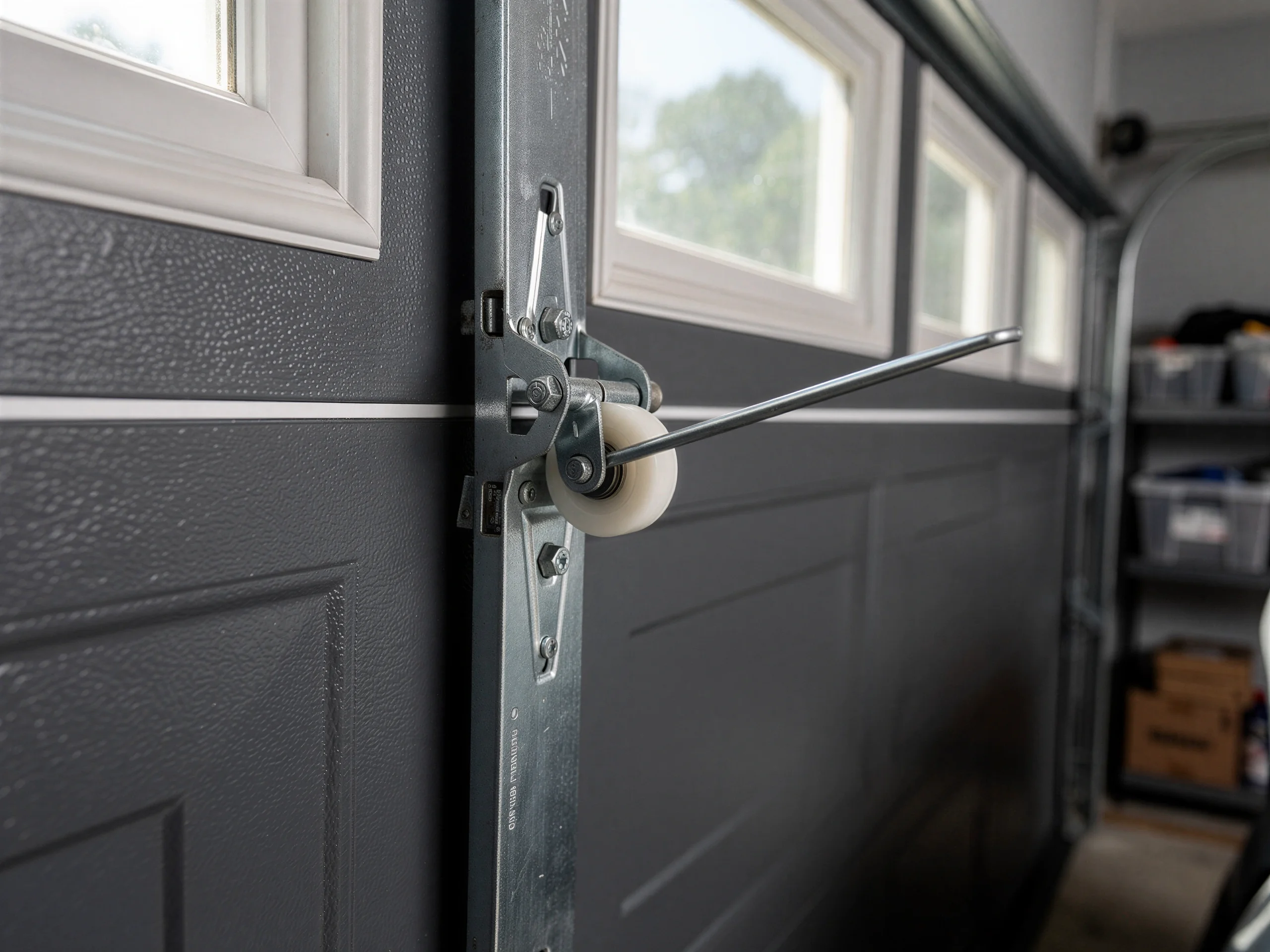
Roller Replacement
Hillsborough homes built around 1997 came with builder-grade steel rollers that are wearing out now. Learn more →Ready when you are
Time for a garage door tune-up in Hillsborough?
Chapel Hill Garage Door Pros repairs and installs garage doors, springs and openers in Chapel Hill, NC and the surrounding area.