Local detail
What Is Going On
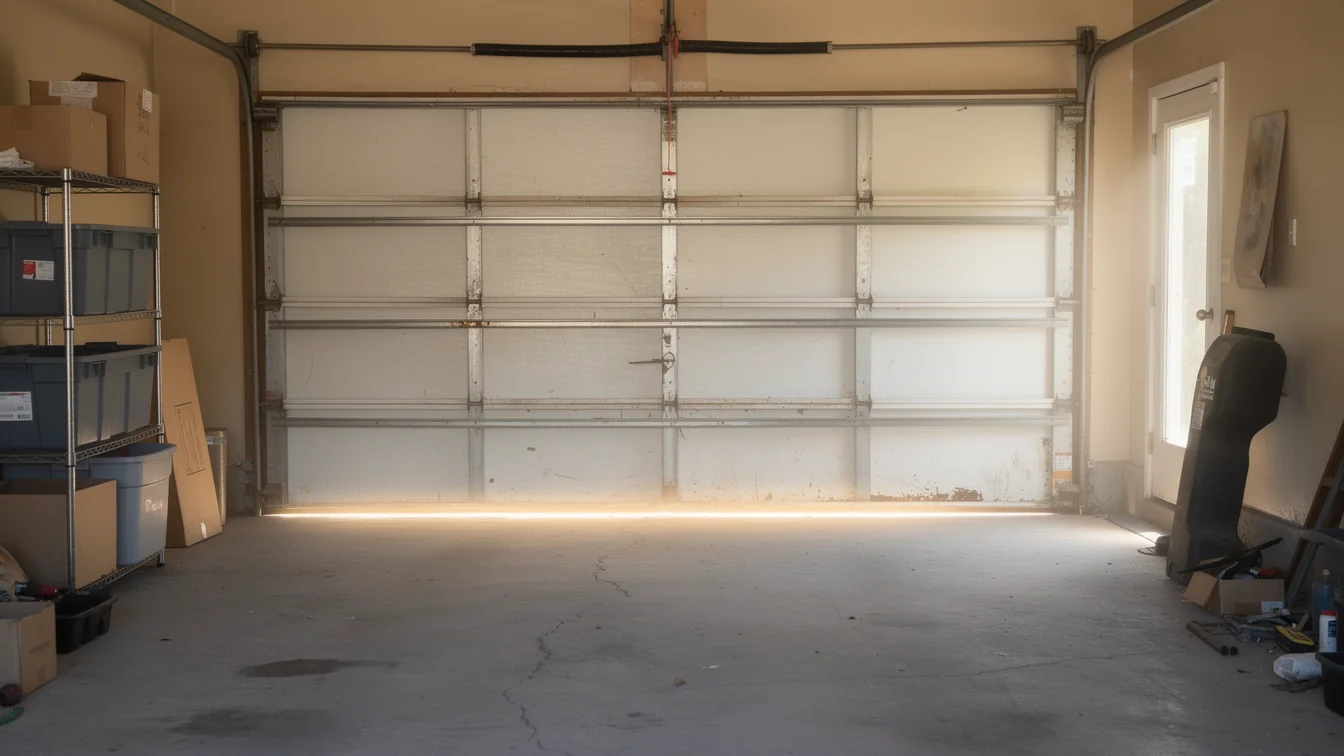
Most of the garage doors we work on sit on houses built between 1967 and 2006, with the median build year landing around 1994. That's a thirty-plus-year window, which sounds wide, but the bulk of what we actually see across the areas we cover clusters in the 1980s and 90s. That matters because doors and openers from that stretch were built to different standards than what's sold today - lighter gauge panels, torsion springs sized for the lift weights common then, and openers without the auto-reverse sensors now required.
With roughly 11,497 owner-occupied houses among the 37,594 households in the area, that's a lot of original hardware still doing its job, or close to failing at it. When a spring finally lets go or a track starts binding, it's rarely because the owner did anything wrong. It's because 25 to 35 years is close to the honest service life of the parts that came with the house, and nobody swapped them out along the way.
This isn't a story about neglect. It's a story about timing. A door installed in 1991 is due for attention now whether or not anyone's been watching it.
The area
When to Call Someone
If your door is making a new noise - a hard bang on the way up, a grinding track, a cable that looks frayed where it wraps the drum - that's worth a call before it's worth a trip to the hardware store. On the 1980s and 90s builds that make up most of the stock here, a spring near the end of its life often gives one or two warning cycles of extra noise or a door that hangs unevenly before it actually snaps.
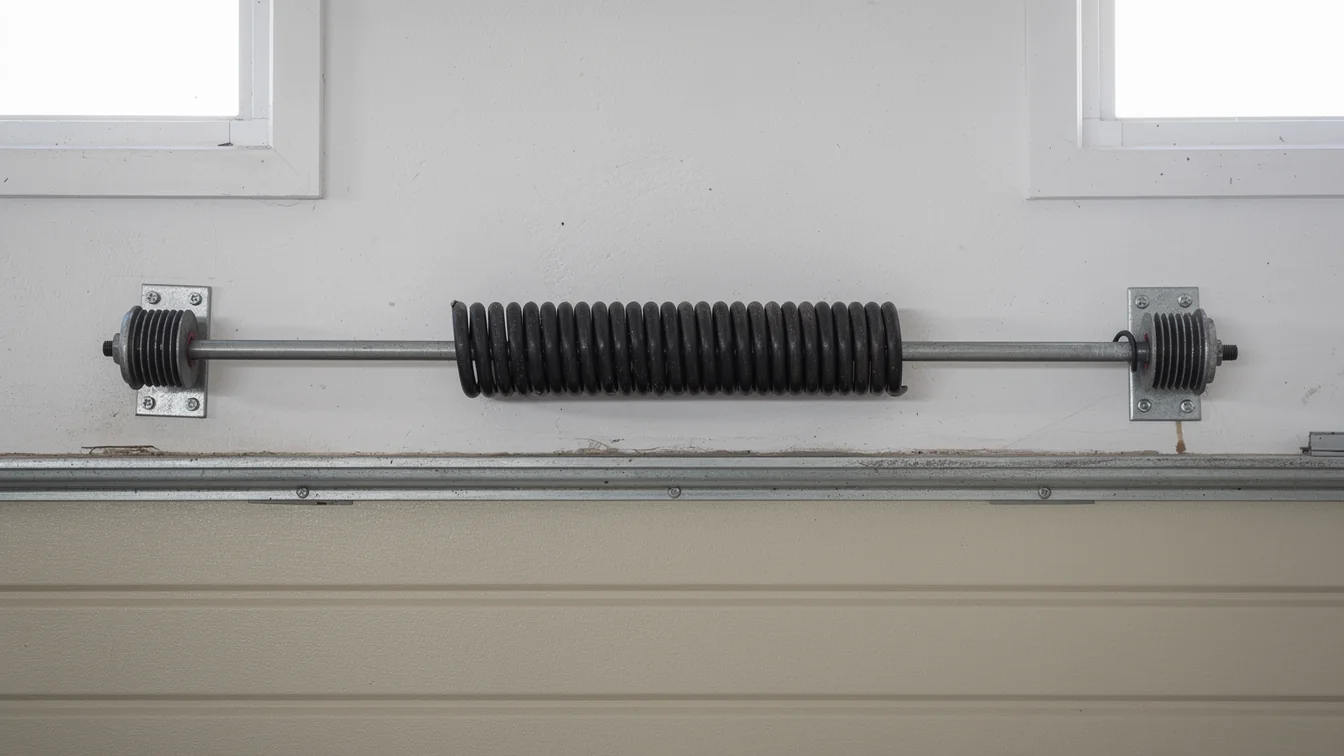
Call sooner rather than later if the door is a double door on a single torsion spring, which was common in that era's construction. Those carry more load per spring than today's typical double-spring setup, and when they go, they go hard, sometimes taking a bottom bracket or a section of track with them.
You don't need to call for a door that's just a little slow in cold weather - that's normal for the climate here and usually clears up once things warm up or the track gets a fresh coat of the right lubricant. Call when the behavior is new, sudden, or uneven from one side to the other.
What we find
The Common Mistake
The mistake we see most is treating a 30-year-old door like a maintenance item instead of a hardware-replacement item. People lubricate the track, tighten a bracket, and figure that buys another five years, when the spring itself - rated for a specific cycle count decades ago - is already past it.
The other version of this mistake runs the opposite direction: assuming because the door is original to a 1990s build, the whole unit needs replacing when really it's one part. A worn roller or a stretched cable on an otherwise sound door built in that era doesn't call for a new door. It calls for the one part that's actually worn.
Here's the honest limit on our end: we don't carry every spring size for every era of door on the truck. Doors from the earlier end of that 1967 build window sometimes used spring and drum sizes that aren't common stock anymore, and those can mean a short wait on a part instead of a same-visit fix. We'd rather tell you that up front than pretend otherwise.
How we work
How Local Conditions Play In
Chapel Hill sits in a cold-moderate climate band, not the hard freeze country further north, but enough winter swing that steel expands and contracts through the season. On a door with 1980s or 90s hardware, that cycling is what loosens the lag bolts holding the track to the jamb and what turns decent lubricant gummy right when the door needs it to move smoothly.
It's also why a door that worked fine in October can feel stiff and heavy in January without anything actually being broken. Springs lose a little tension in the cold, and a door that was marginal to begin with - close to its service life, already carrying a slightly tired spring - shows it first in cold weather, not warm.
None of this means the climate here is harsh. It means the swing between seasons is enough to matter on hardware that's already 25-plus years into its working life, which describes most of what's installed in the area we serve.
Talk to a local pro
Garage door trouble in Chapel Hill?
Same-day service with honest, upfront quotes.