Local detail
What Is Going On
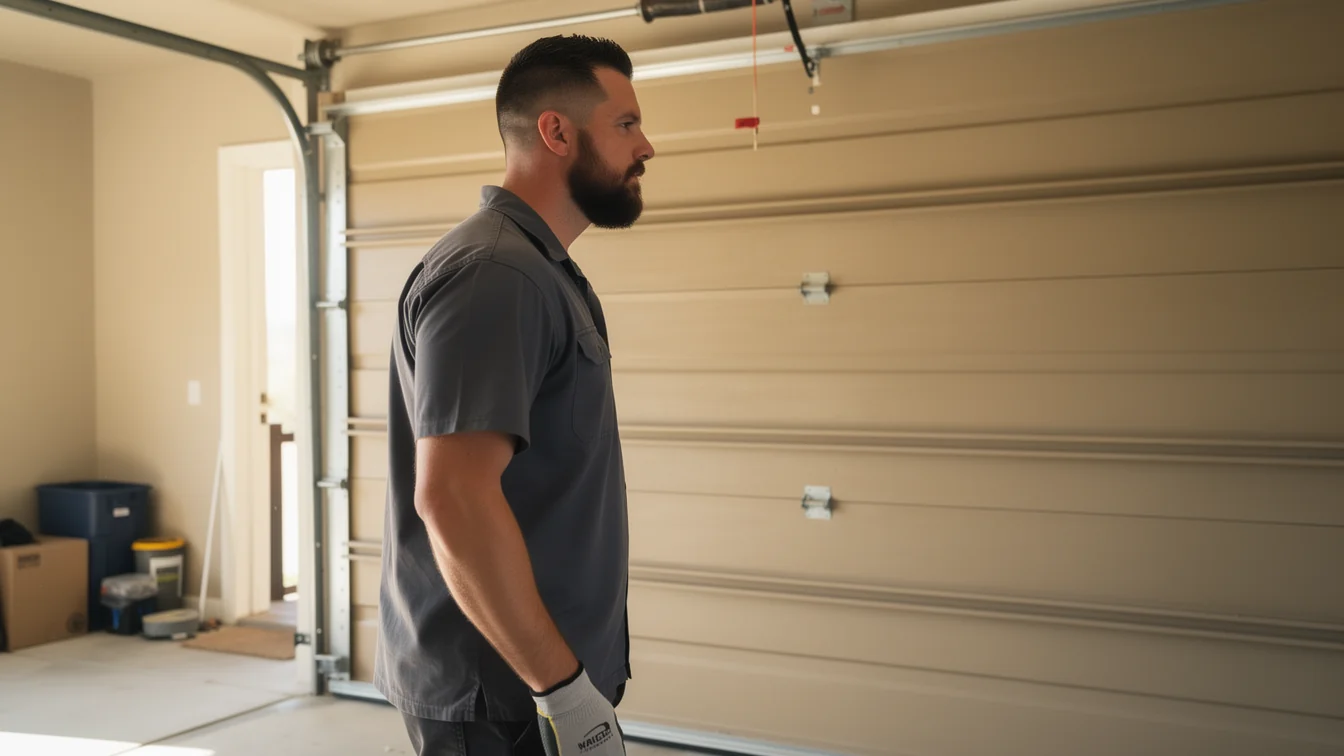
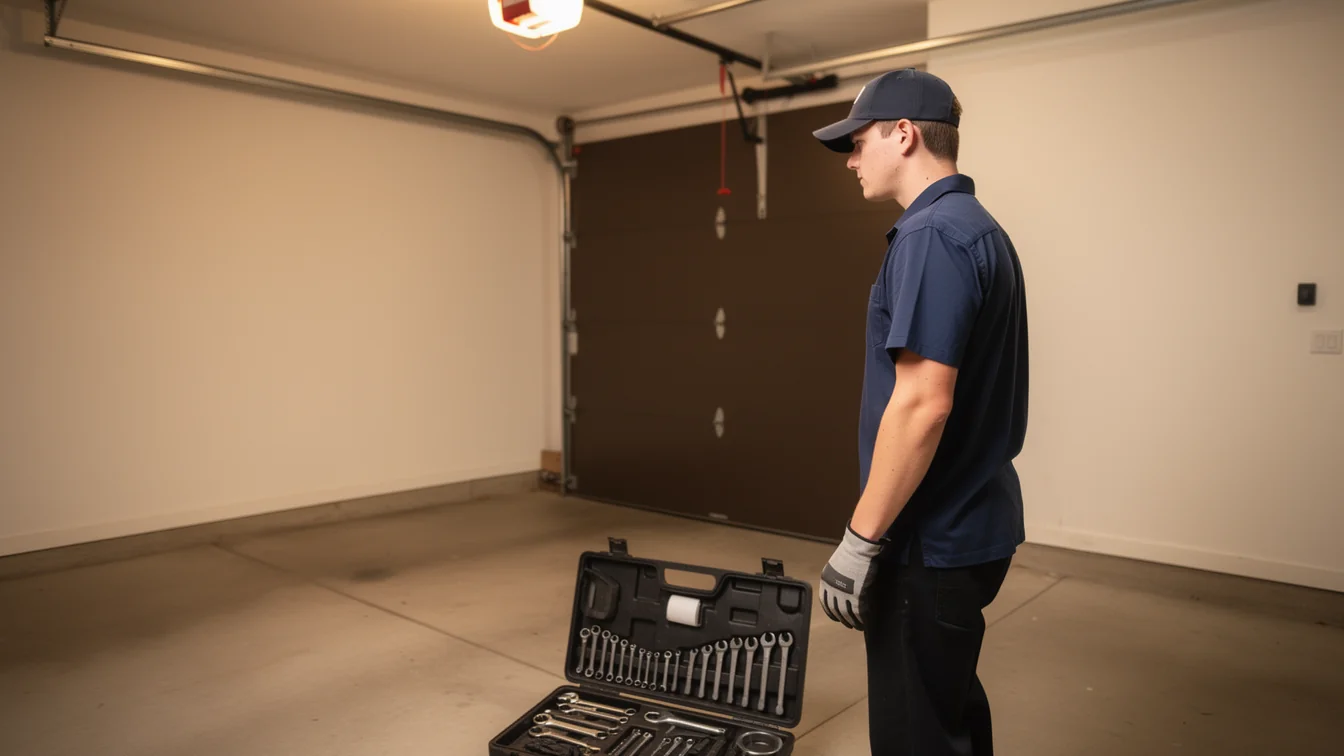
A service call isn't a sales visit. It's someone coming to your house, opening the door by hand and by button, watching how the springs, cables, and opener behave under load, and telling you what's actually wrong before anything gets replaced.
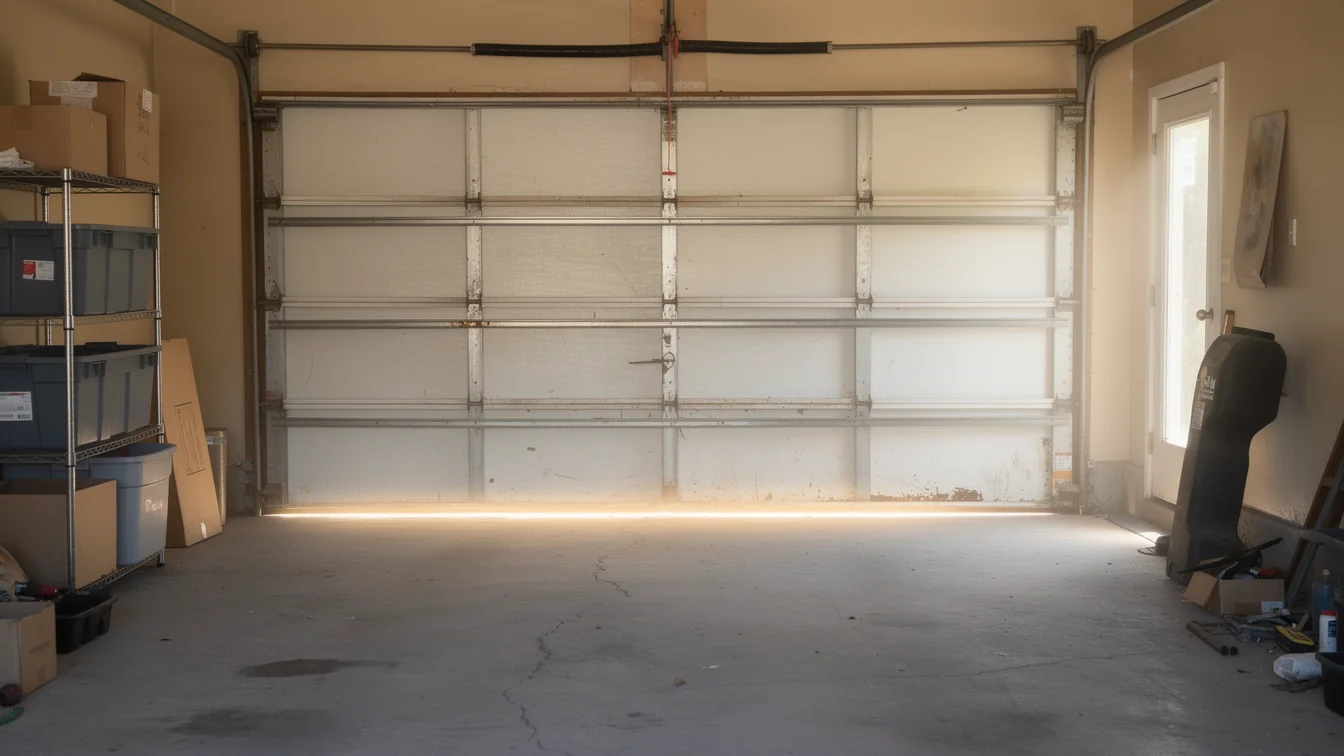
Most houses in this part of the service area went up between 1967 and 2006, with the median sitting around 1994, and across the ten areas we cover - Chapel Hill out to Carrboro, Hillsborough, Efland, Morrisville, Gorman, Saxapahaw, Pittsboro, Mebane, Swepsonville, and Woodlawn - the stock leans heavily toward 1980s and 90s construction. That matters on a service call because a door built in that window is old enough that its original torsion spring has likely cycled past its working life, but the house itself usually isn't old enough to have the oddball hardware you'd find on something from the 1950s. We're mostly dealing with standard torsion systems, chain or belt openers from a handful of eras, and steel panel doors that were decent when installed.
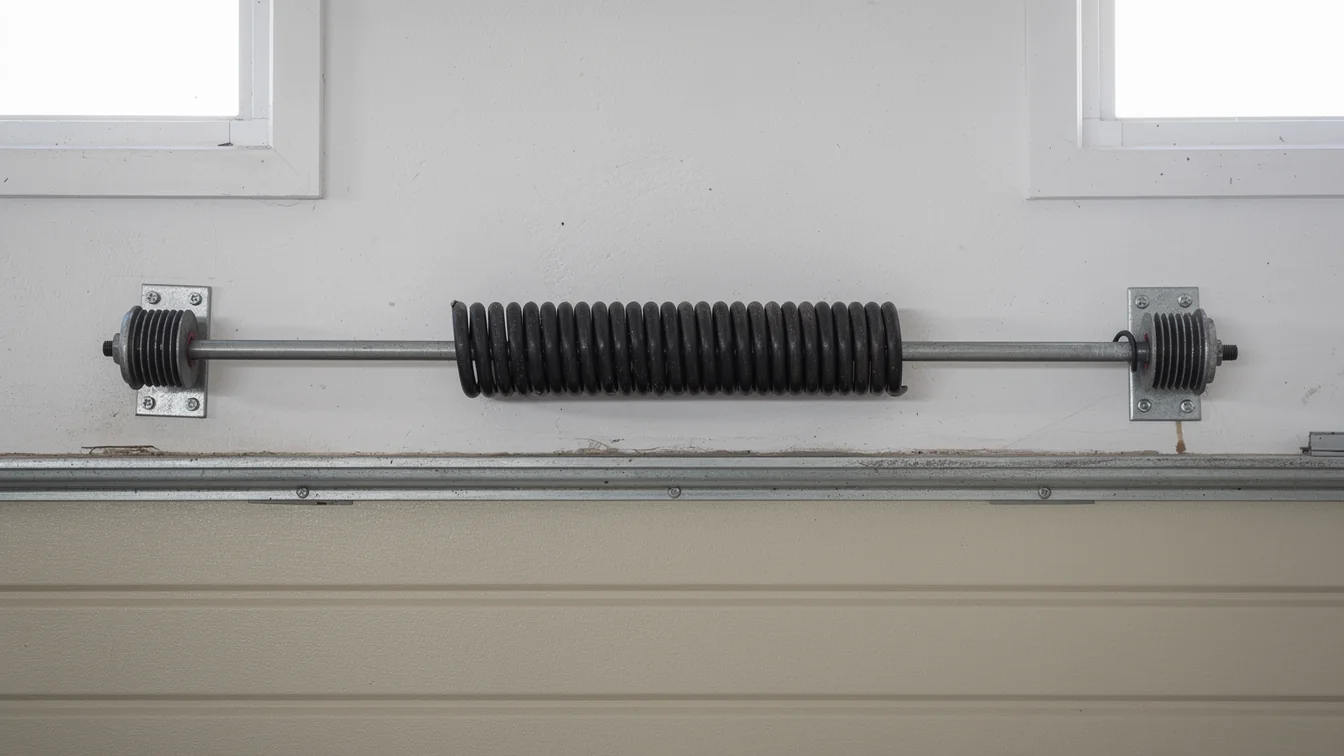
So the call covers: inspection of the spring and cable condition, a check of track alignment and roller wear, a look at the opener's force settings and safety reversal, and a plain answer on whether the fix is a part or the whole door.
The area
When to Call Someone
Call before the door fails all the way, not after. A door that's noisy on the way up, that drifts open or shut a few inches on its own, or that the opener strains to lift are all springs losing tension, not openers wearing out - even though the opener usually gets blamed first.
Chapel Hill sits in a cold moderate climate band, which means the steel track and torsion spring on an original door see real temperature swings every winter. Cold steel contracts. A track that was a hair out of alignment in August can bind in January, and a spring that was already fatigued can lose its last bit of tension on the first hard cold snap. If your door has gotten noticeably stiffer or louder as the weather turned, that's not your imagination - that's the metal doing what metal does in this climate.
The other trigger: a door that won't reverse when something's under it. That's a safety system failure, and it doesn't wait for a convenient time to get fixed.
What we find
The Common Mistake
The mistake we see most is someone replacing the opener when the spring was the actual problem. The opener strains, the owner assumes the motor's dying, and a new opener gets bolted to a door that's still fighting a weak or broken spring - so the new motor burns out just as fast.
The second mistake is matching parts to the wrong era. With a service area built mostly across four decades - 1967 to 2006 - there's real variation in spring wind, drum size, and track gauge from house to house even on the same street. A spring pulled off a shelf because it
Talk to a local pro
Garage door trouble in Chapel Hill?
Same-day service with honest, upfront quotes.