Local detail
What Is Going On
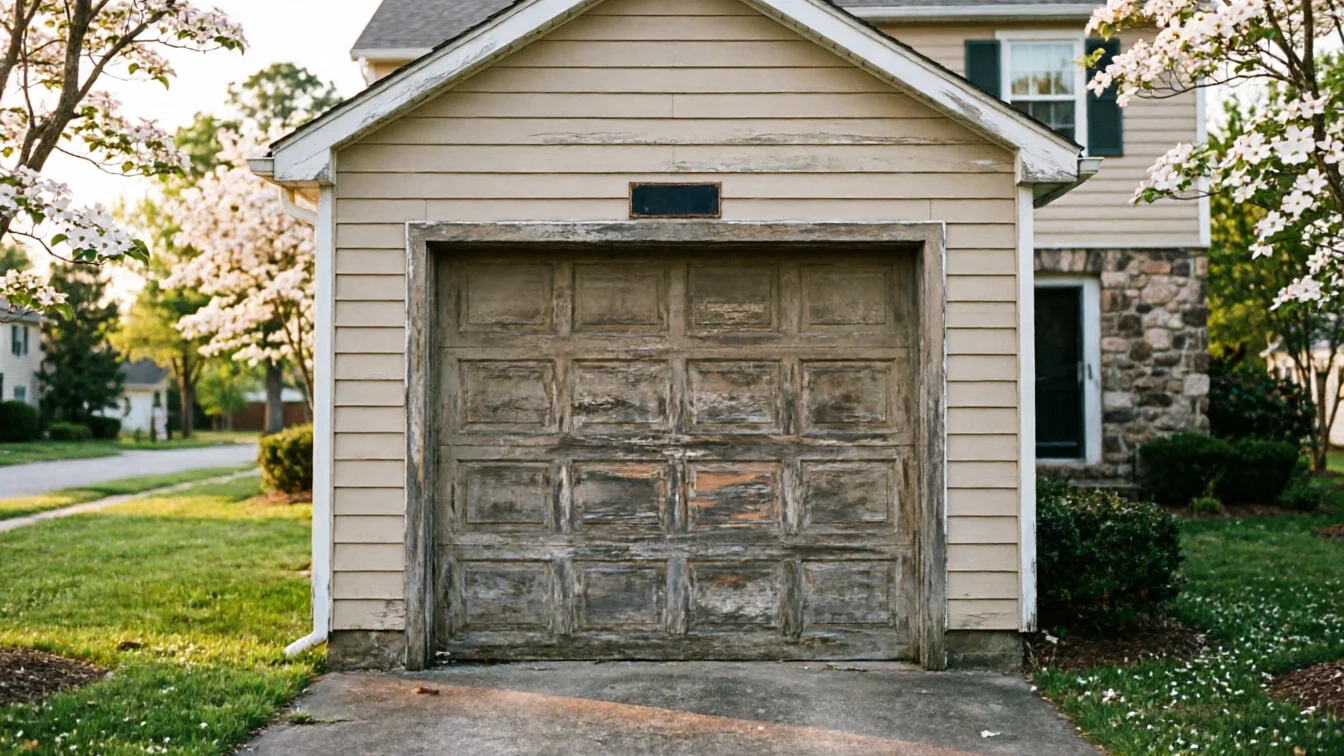
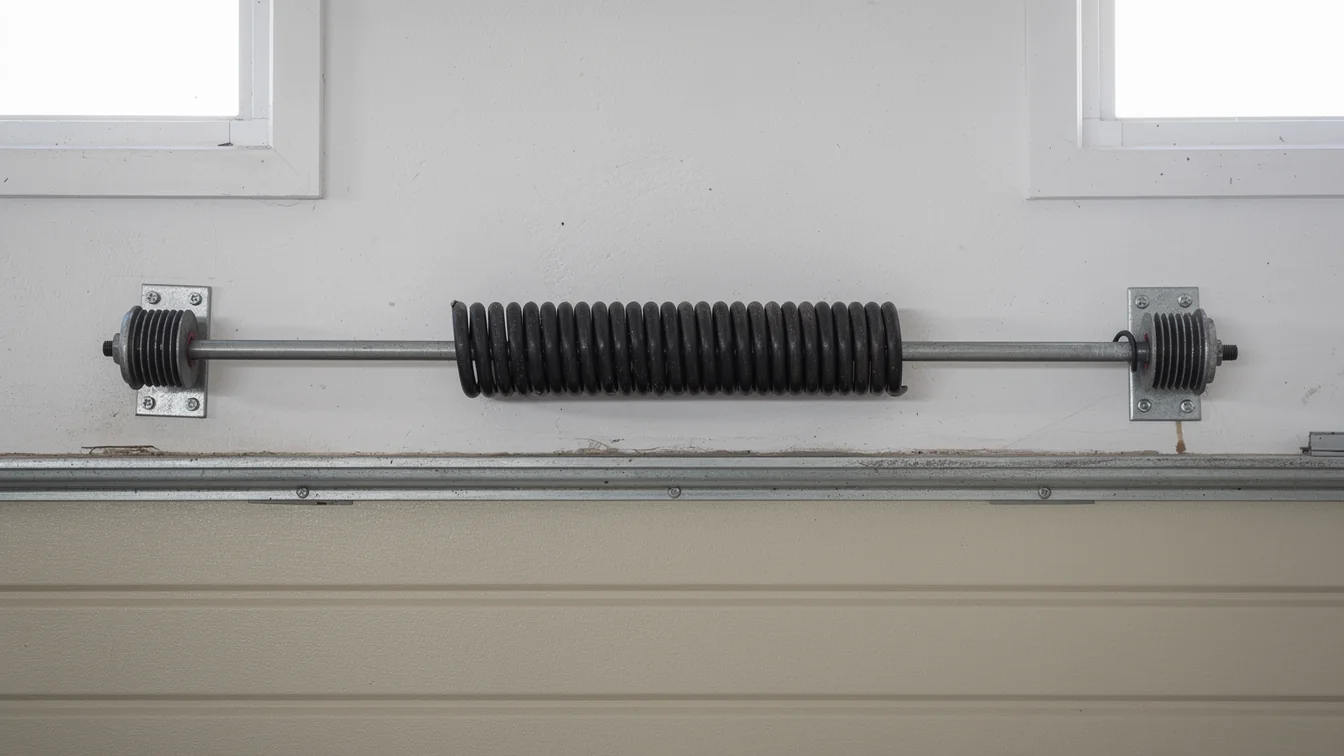
Most houses around Chapel Hill went up between 1967 and 2006, with the bulk of that stock dating to the 1980s and 90s across the ten areas we cover. A torsion spring on a door that age has usually been replaced once already, and a fair number are on their original coil from whenever the house was built. Steel fatigues with cycle count, not with calendar years, but cold makes the failure sharper. In a moderate cold climate like ours, a spring that's already near the end of its life loses a little flex on a cold morning and the last few degrees of temperature swing is what snaps it. You'll usually hear it - a bang from the garage, sometimes loud enough to notice from inside the house. The door won't move, or it'll lurch up a few inches and stop. That's the spring, not the opener, and it's not something you fix by hitting the remote twice.
The area
When to Call Someone
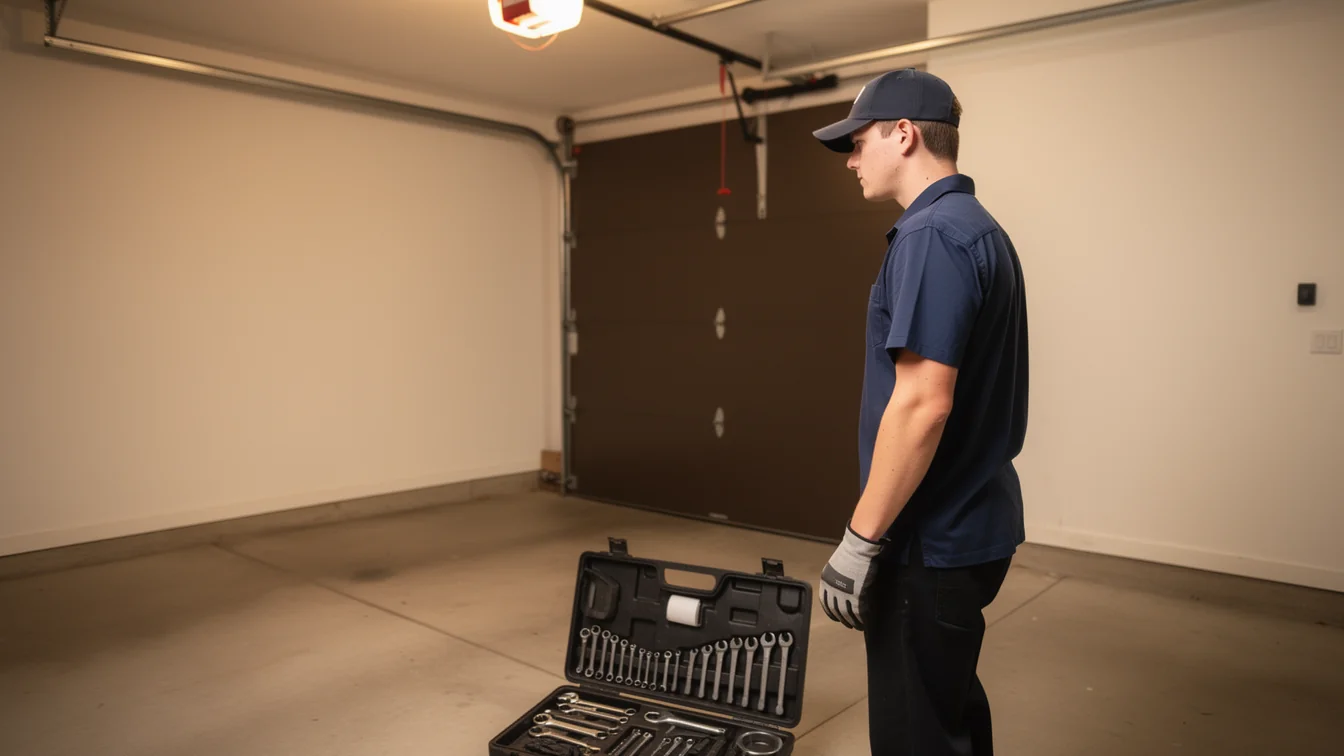
If the door won't lift, or lifts crooked with one side higher than the other, stop using the opener. Pulling a door up on a broken spring with the motor puts the full weight on the opener's drive gear and on whatever cable is still holding, and that's how a spring failure turns into a track or cable job too. Call before you force it a second or third time. If you've got an older torsion setup - common on houses from the 1980s and 90s that make up most of the stock here - parts for the original hardware aren't always something we carry on the truck, since torsion bar sizing and drum style changed over the decades. That can mean a short wait on a part rather than a same-visit fix, and we'd rather tell you that up front than pretend otherwise.
What we find
The Common Mistake
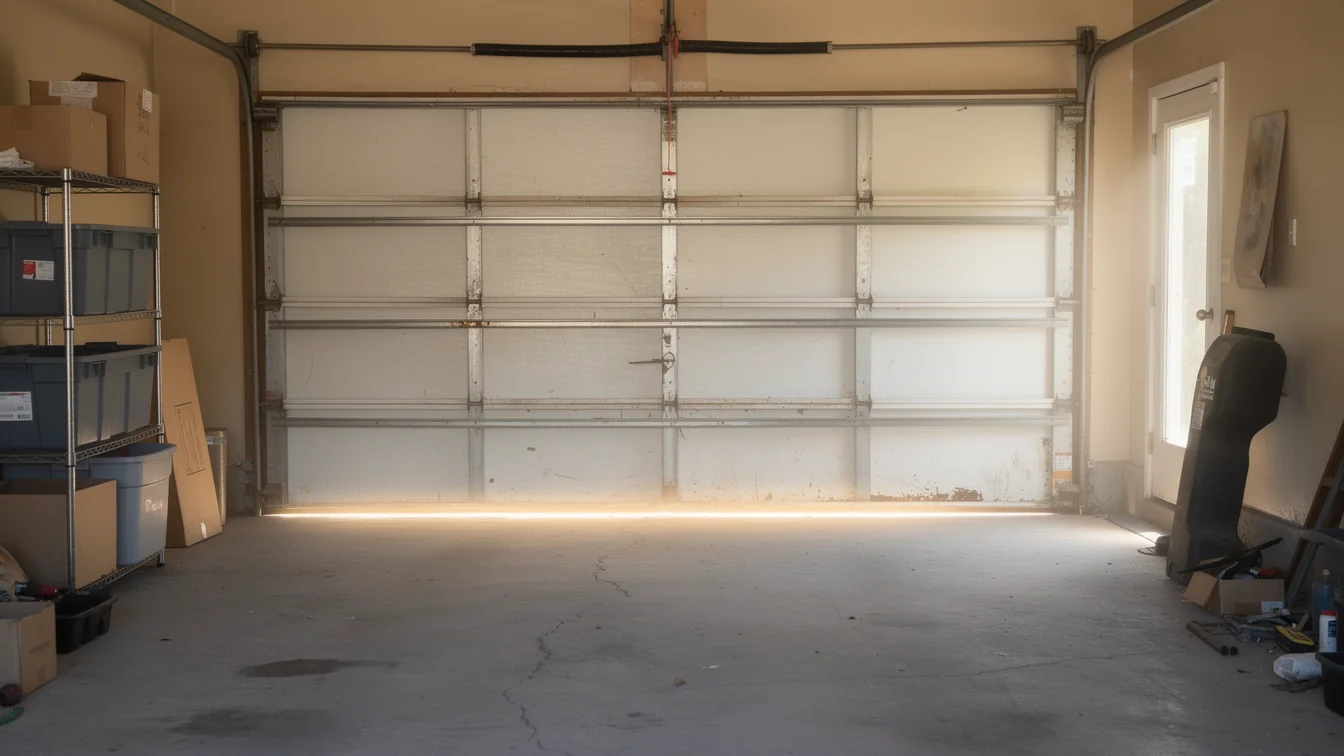
The mistake we see most is treating a stiff, slow-moving door as a lubrication problem instead of a spring problem, especially once the weather turns cold. People spray the track, work the door up and down a few times to "loosen it up," and keep doing that for weeks. A spring that's lost tension doesn't come back with oil. Cycling it harder on a cold morning when the steel is already stiffer just speeds up the failure, and it usually fails at a worse moment than a weekday afternoon. The other version of this mistake is replacing one spring on a double-spring door and leaving the second one, which is years into the same fatigue cycle, alone. It tends to go within months, often on the next cold snap.
How we work
How Local Conditions Play In
Chapel Hill sits in a moderate cold climate band, not the kind of place that sees extreme deep freezes, but enough swing in temperature through the winter to matter for steel under tension. A spring near the end of its service life behaves differently at 30 degrees than it does at 70, and that gap is exactly where failures cluster on older coils. Combine that with a housing stock centered on the 1980s and 90s build years, and you've got a lot of springs in this area sitting right at the edge of their cycle life heading into the colder months. None of that means every door needs attention. It means a door that's been sluggish or noisy for a while is worth a look before, not after, a cold morning finds the weak point for you.
Talk to a local pro
Garage door trouble in Chapel Hill?
Same-day service with honest, upfront quotes.