Chapel Hill, NC
Garage Door Service for Chapel Hill's 1980s and 90s Housing Stock
Chapel Hill homes built mostly in the 1980s and 90s are hitting original spring and cable failure age. Here's why, what we stock, and what it costs to fix.
Why This Fails Locally
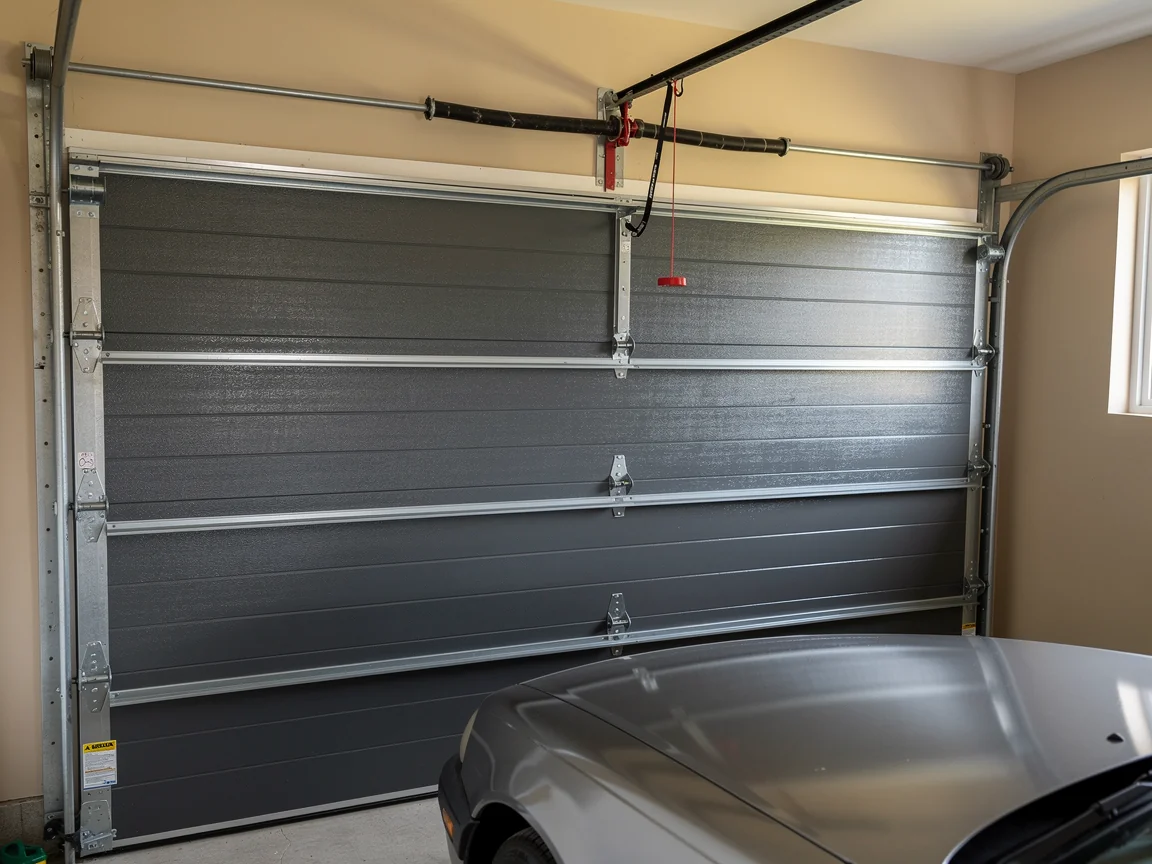
Most of the houses we get called to in Chapel Hill went up between 1967 and 2006, with the median build year sitting at 1994. That's not a random spread - it lines up with ten named areas across the service footprint where builder-grade garage doors from that era are now 25 to 40 years old. Those doors came with torsion springs rated for a fixed number of open-close cycles, and most of them have quietly used up that rating without anyone noticing, because a spring doesn't post a warning before it goes.
Chapel Hill sits in a cold-moderate climate band, which matters more than people think for this specific part. Cold mornings stiffen the lubricant on an aging torsion spring and tighten the steel itself, so the exact weeks when a spring is closest to failing are also the weeks it's working hardest. That's why we see a spike in snapped springs and seized rollers in the colder stretch of the year - it's not coincidence, it's a 30-year-old part meeting its worst working conditions at the same time.
If your house falls into that 1980s-90s window - which covers the bulk of the stock across the area - the door hardware under your opener motor is very likely original or close to it. That's the fault we're built around fixing.
Stocked Parts
Because the housing stock here clusters so tightly around the 1980s and 90s, we carry torsion springs sized for the door weights and track lengths that were standard builder installs in that period - both single-car and double-car torsion setups.
Bearings and lift cables
We also keep the matching lift cables, end bearings, and center bearing plates on the truck, since those parts wear out on the same clock as the spring and get missed if a job only replaces the obvious broken part. We stock extension spring hardware too for the smaller number of older or converted garages that never got upgraded to torsion systems.
Specialty opener electronics
What we don't carry on the truck is every proprietary opener logic board - some specialty opener electronics from this era need an order, and we'll tell you straight if that's the case rather than make you wait on-site while we guess.
Avoiding second trips
The goal with stocking is simple: a spring failure on a door built in 1994 shouldn't turn into a two-trip job because we didn't have the right bearing size in the truck. Given how consistent the building years are across this area, we can carry the right sizes as a matter of course instead of special-ordering for every call.
The Symptom
The pattern we hear most often: the door is slow to open on cold mornings, then starts making a grinding or popping noise partway through the cycle, then one day it just won't lift - the opener motor strains, the chain or belt jumps, but the door barely moves.
Sudden door drop
That's a torsion spring that's lost tension gradually and finally let go, or is one cold morning away from it. A second version of the same story: the door drops suddenly instead of lowering smoothly, sometimes with a loud bang.
Aged cable fraying
That's usually a cable that's frayed past the point of holding, often on the same original hardware as the spring, since both parts age on the same timeline from a 1980s or 90s install.
Forcing a stuck door
We don't recommend forcing the opener through a stuck or grinding door - doing that repeatedly is how a spring failure turns into a bent track or a damaged panel, which is a bigger job. If your door is sticking or groaning in the cold, that's the time to call, not after it's already down.
What You Pay
What a repair costs depends mostly on what's actually wrong and how old the hardware is - a single spring swap on a standard torsion system is a different job than replacing springs, cables, and bearings together on a door that's been running on original 1990s parts for three decades.
Only replace worn parts
We'll tell you on-site which parts have reached the end of their working life and which ones are fine to leave alone; we don't replace hardware that still has years left in it just because it's old.
Targeted repair over replacement
With a median household income of $79,512 across the area, most of the calls we get are homeowners choosing a targeted repair over a full door replacement, and for a door that's structurally sound, that's usually the right call.
Bent track doubles cost
Replacement only makes sense once the track, panels, or opener are failing alongside the spring - fixing a spring on a door with a bent track is money spent twice. We'll give you the number before we start, not after.
Questions
Common questions
Why do so many Chapel Hill garage doors fail around the same age?
Most houses in the area were built between 1967 and 2006, with 1994 as the median year, and the bulk of the stock across the ten named communities we serve is from the 1980s and 90s. That means a lot of torsion springs and cables are hitting the same age-related failure point around the same time, especially once cold weather adds extra strain.
Does cold weather actually affect a garage door spring?
Yes. Chapel Hill sits in a cold-moderate climate band, and cold temperatures stiffen the lubricant on a torsion spring and tighten the steel, which puts more load on a part that's already near the end of its rated cycles. That's why failures cluster in colder stretches rather than spreading evenly through the year.
Do you stock parts for older garage doors or do I have to wait?
We carry torsion springs, cables, and bearings sized for the door weights and track lengths common to the 1980s and 90s builds that make up most of the local housing stock, so most repairs don't need a special order. Some proprietary opener circuit boards from that era can need ordering - we'll tell you upfront if that's the case.
Should I repair my door or replace it?
If the spring, cable, or bearing is the only thing failing and the track and panels are sound, a repair is usually the right call and the cheaper one. Replacement starts to make more sense once the track is bent, panels are damaged, or multiple systems are failing together - fixing a spring on a door with a bent track just means paying for the repair twice.
Explore more
Explore More Services In Chapel Hill, NC
Garage Door Maintenance Built for Chapel Hill's Housing Stock
Garage door maintenance tuned to Chapel Hill's 1967-2006 housing stock and cold-moderate winters. Learn more →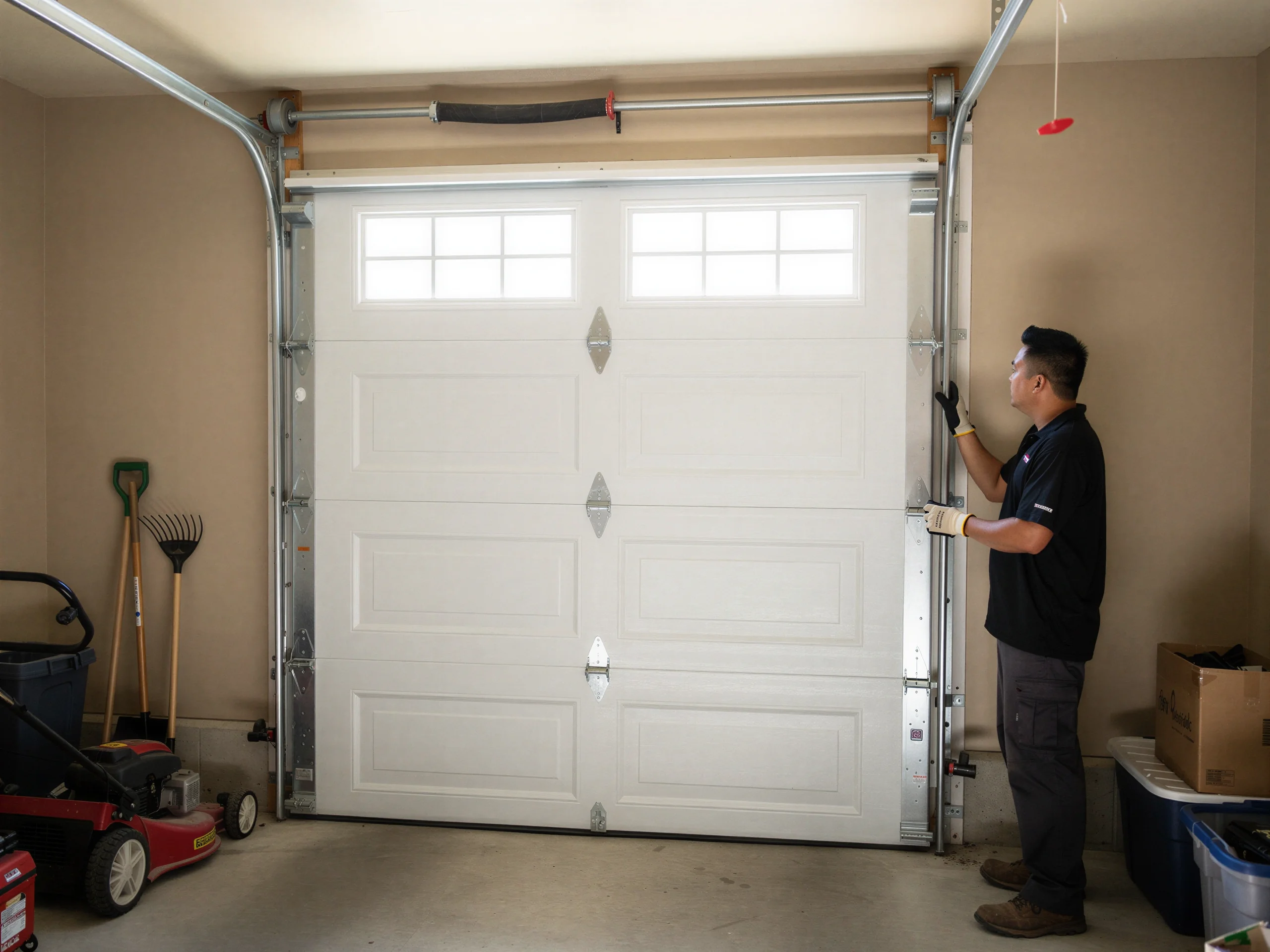
Garage Door Installation Built for Chapel Hill's Housing Stock
Chapel Hill Garage Door Pros install doors sized for the area's 1967-2006 housing stock and cold-moderate climate swings, with parts matched to what's actually on these walls. Learn more →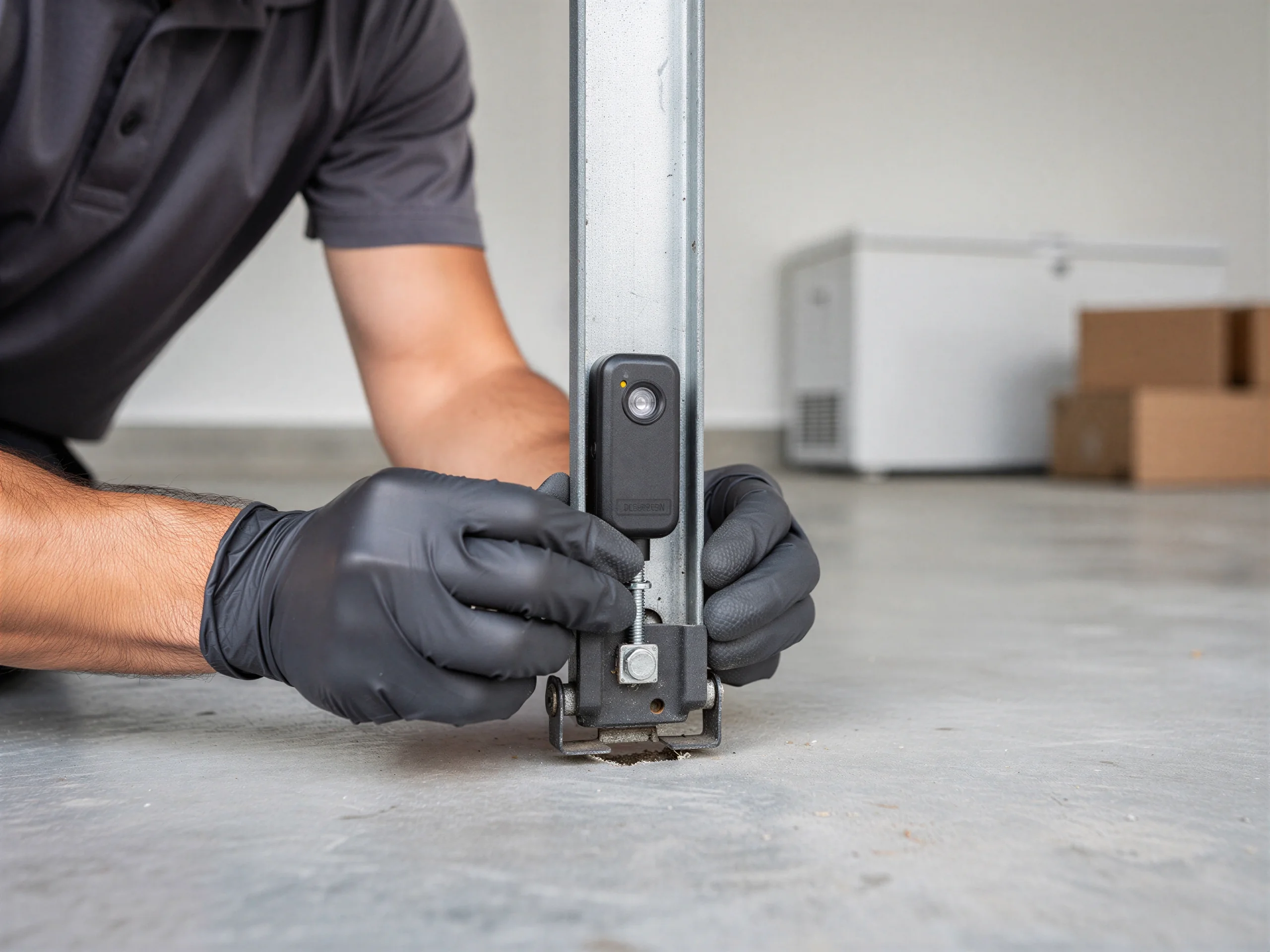
Garage Door Opener Repair for Chapel Hill Homes
Opener repair for Chapel Hill's 1967-2006 housing stock. Learn more →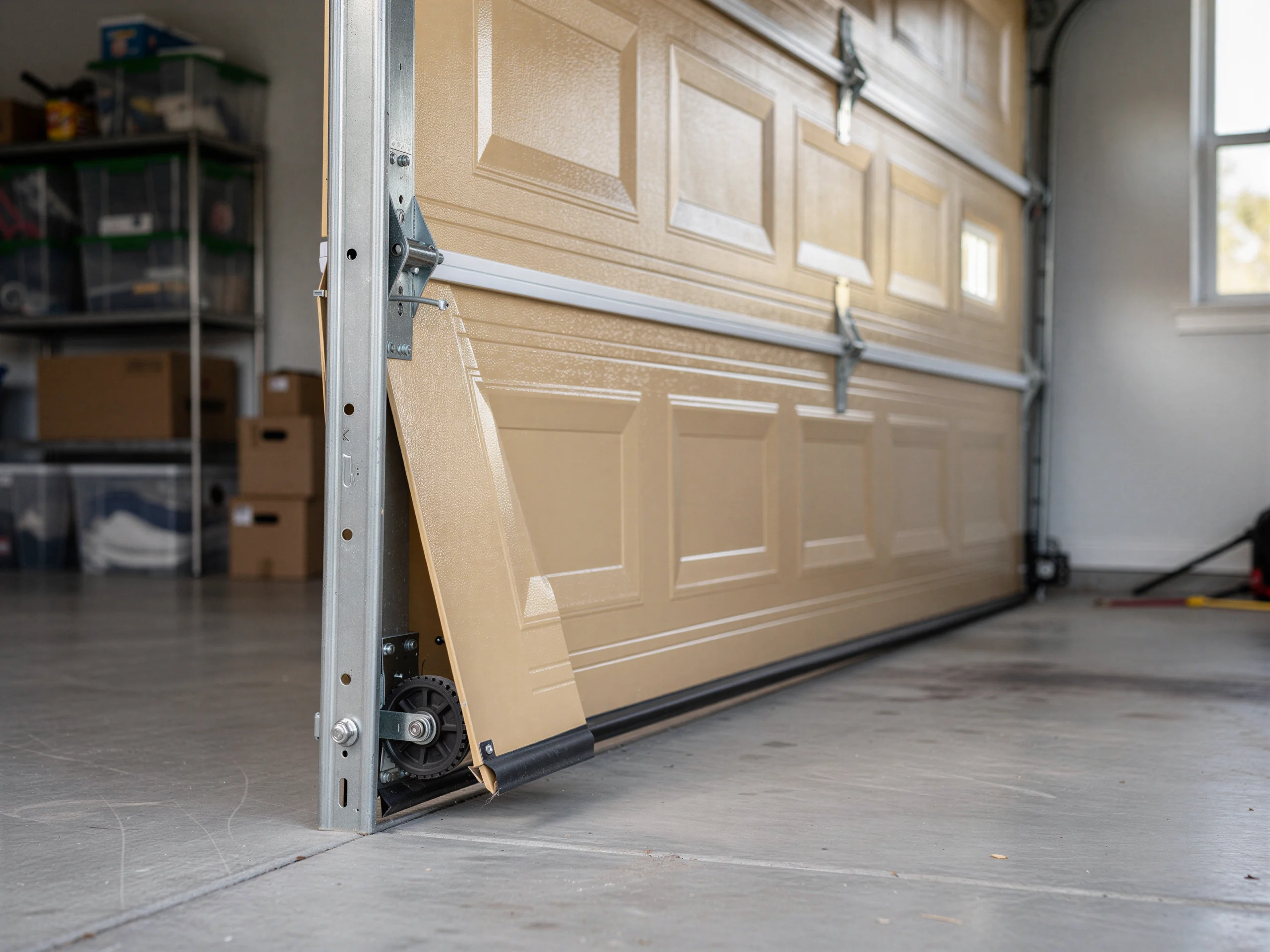
Why Chapel Hill Garage Doors Jump Track - And What It Takes to Fix It
A garage door off its track in Chapel Hill usually traces back to 1967-2006 hardware and cold-moderate winters. Learn more →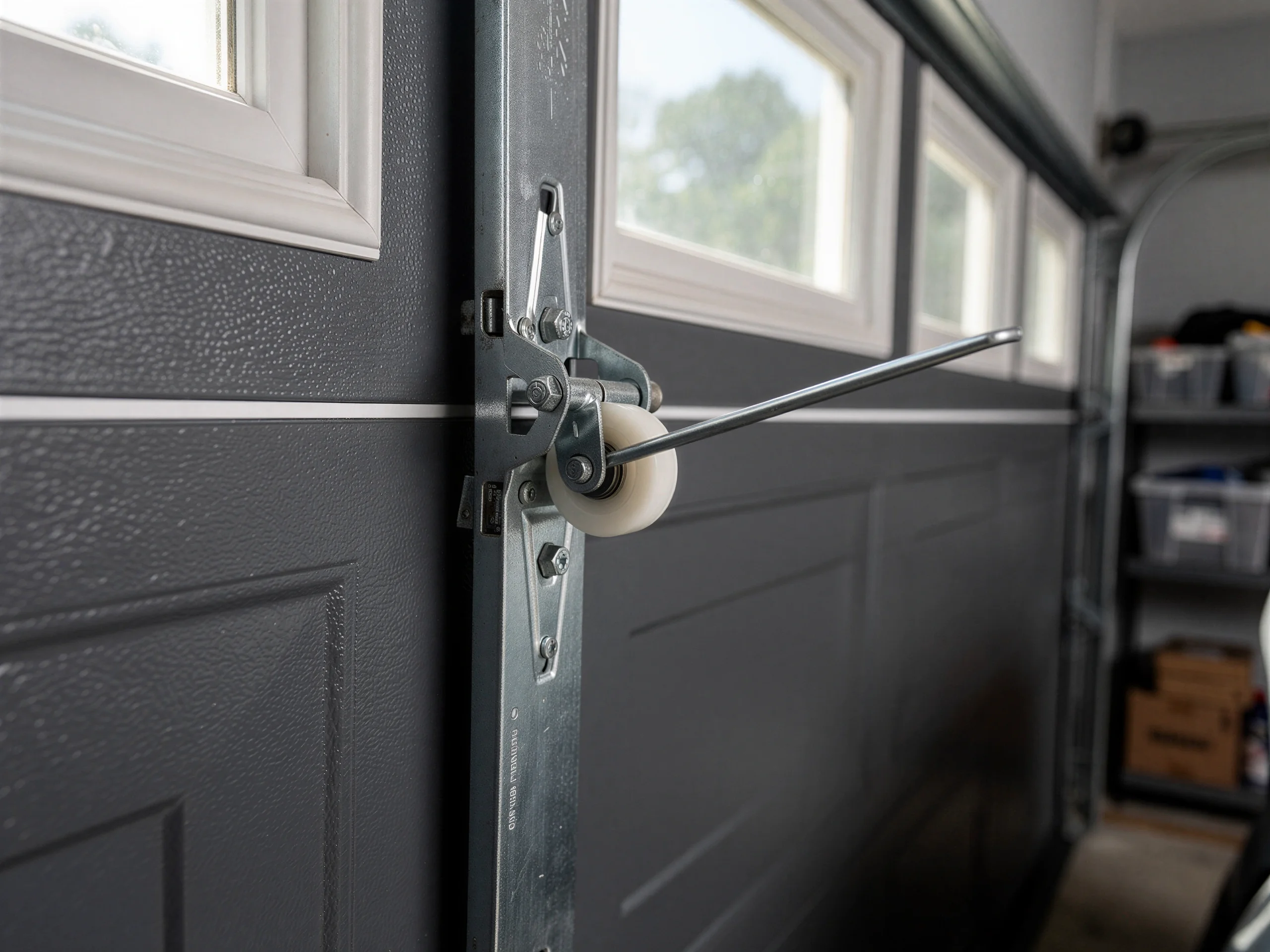
Roller Replacement for Chapel Hill Garage Doors
Rollers wearing out on a Chapel Hill garage door built in the 1980s or 90s? Learn more →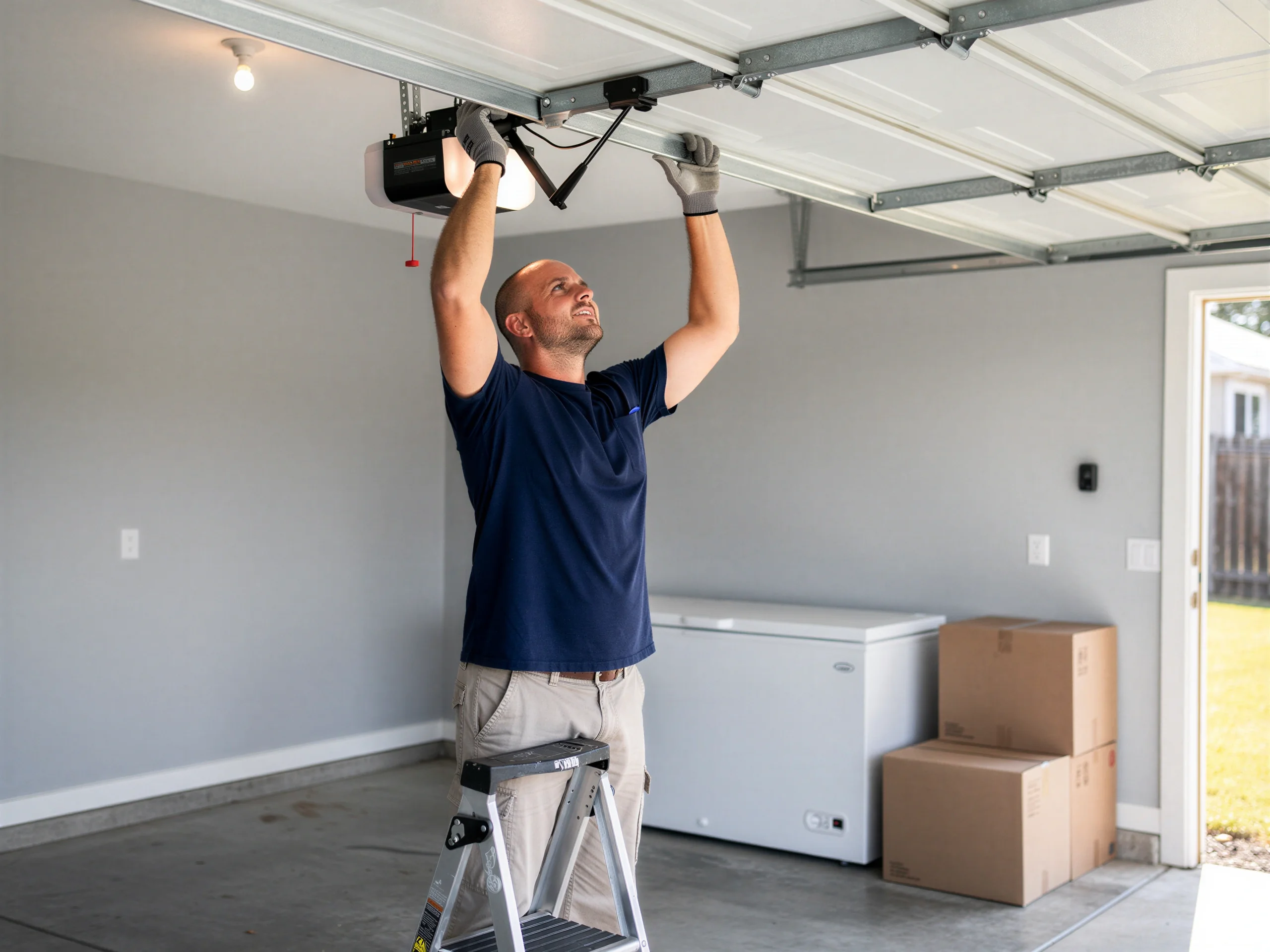
Garage Door Opener Installation for Chapel Hill Homes
Opener installs for Chapel Hill homes built 1967-2006, matched to the chain-drive and belt-drive units this area's housing stock and cold winters actually need. Learn more →Ready when you are
Need garage door service in Chapel Hill?
Chapel Hill Garage Door Pros repairs and installs garage doors, springs and openers in Chapel Hill, NC and the surrounding area.